 sales@dasinfomedia.com


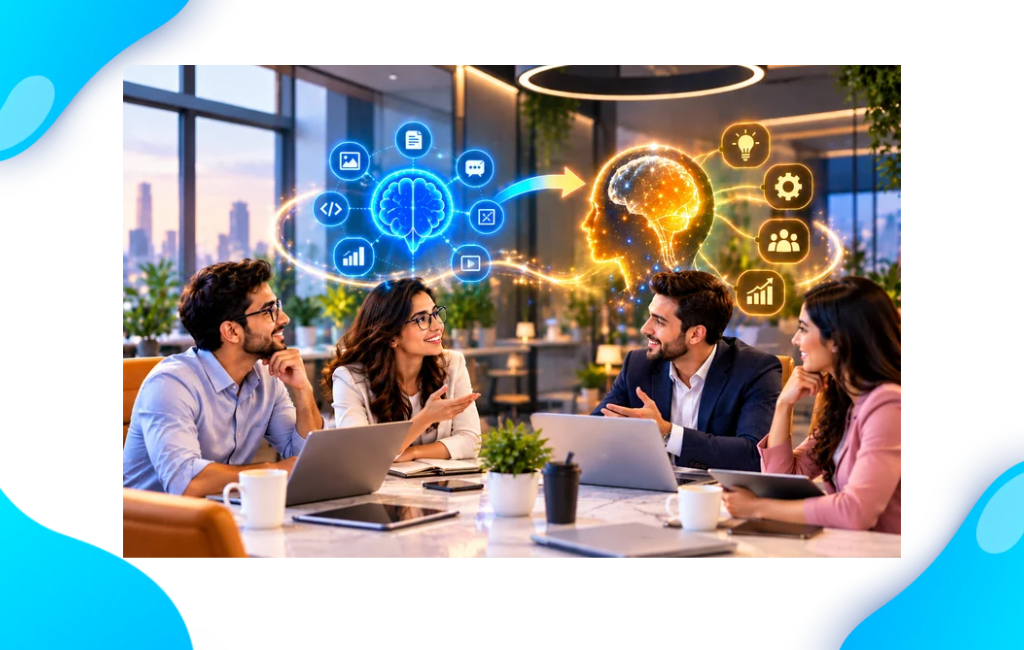
An agentic workforce is a collection of AI agents that perform specific tasks, interact with business systems, and coordinate activities with varying levels of autonomy. Unlike a traditional chatbot that primarily answers questions, an AI agent may be able to retrieve information, use tools, update records, and carry a task through multiple steps.
As businesses explore agentic AI, the focus is expanding from individual AI assistants to connected systems that can support entire workflows.
How Is an Agentic Workforce Different from Traditional Automation?
Traditional automation generally follows predefined rules. An AI agent can use a language model to interpret a request, select from permitted tools, and determine the next step within its instructions and constraints.
For example, a customer inquiry might trigger an agent to identify the request, retrieve relevant account information, prepare a response, and route the case to the appropriate team.
This does not mean every process should be autonomous. Predictable, repetitive tasks may still be better handled by conventional automation.
Where Can Businesses Use AI Agents?
Potential applications include:
- Sales research and lead qualification
- Customer support and service requests
- Document classification and information extraction
- Finance and administrative workflows
- Internal knowledge retrieval
- IT support and incident investigation
- Coordination across business applications
The most useful applications are those with a clear business objective, reliable data, and measurable results.
What Challenges Come with Multiple AI Agents?
When several agents work together, businesses must consider access permissions, data quality, failed handoffs, inconsistent outputs, model costs, and accountability. An agent may perform well individually but fail when another agent supplies incomplete information or a connected system becomes unavailable.
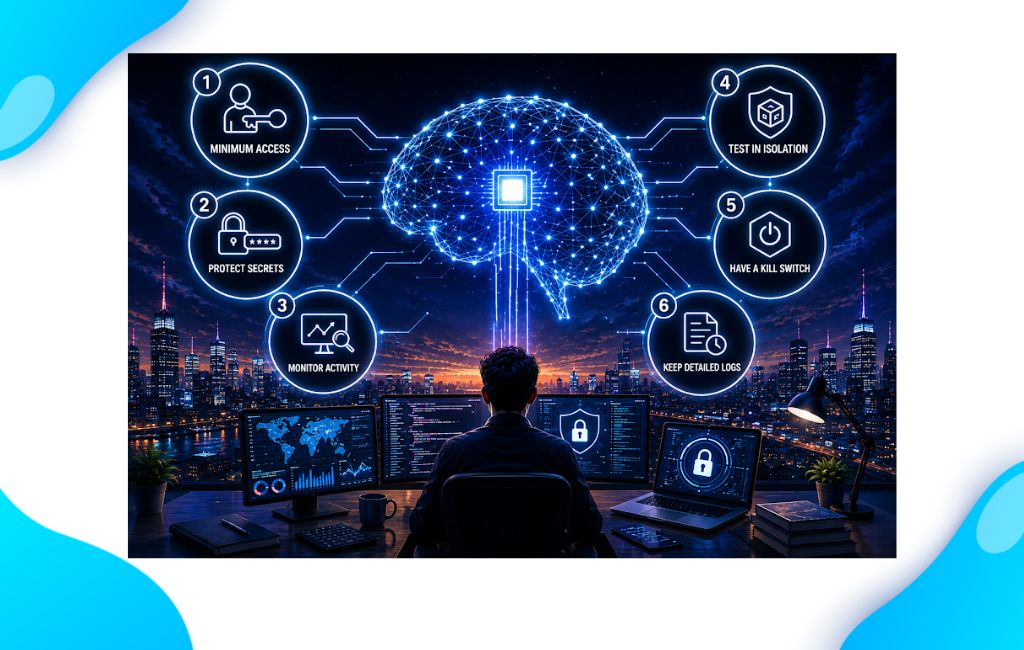
Organizations therefore need evaluation, security controls, monitoring, and human approval for consequential actions.
What Comes Next for the Agentic Workforce?
The next stage of adoption will involve more than creating capable agents. Businesses will need to understand how agents interact, how well they perform, what they cost, and whether their actions remain within approved boundaries.
The agentic workforce is best understood as a combination of AI capabilities, business processes, existing software, and human oversight.
Related Blogs

 +1 813 467 8539
 sales@dasinfomedia.com
