 sales@dasinfomedia.com


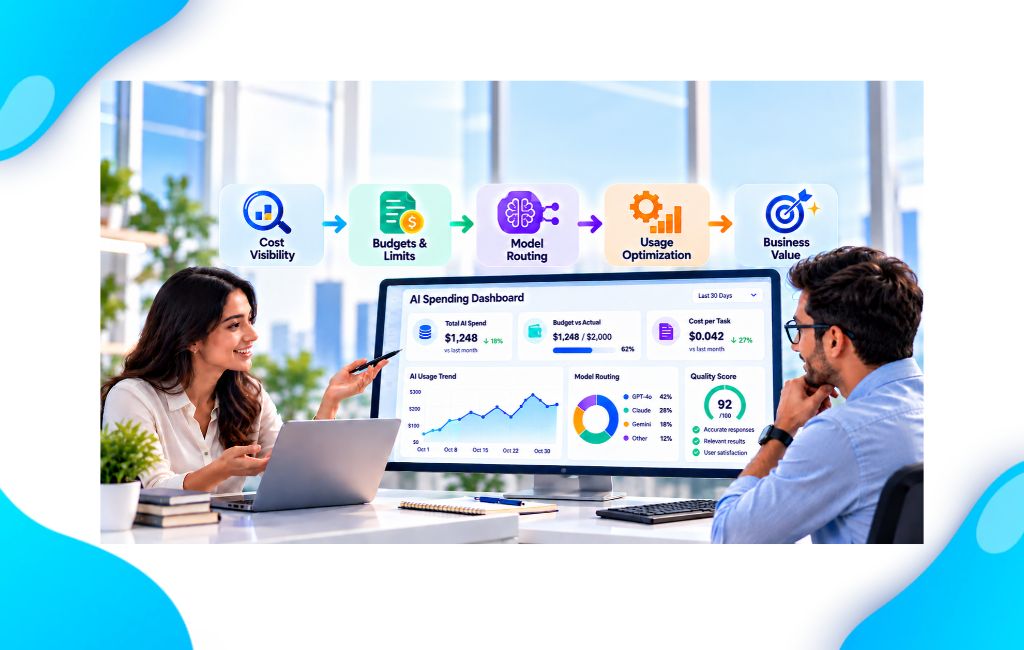
AI FinOps is the practice of measuring, allocating, managing, and optimizing the costs of AI systems so that spending remains aligned with business value.
It applies financial accountability to AI workloads, including model usage, agent execution, infrastructure, external tools, and related services.
As AI moves from experimentation into everyday operations, organizations need to understand what they spend, which workflows generate that spending, and whether the results justify the cost.
Why Does AI Spending Need a Different Approach?
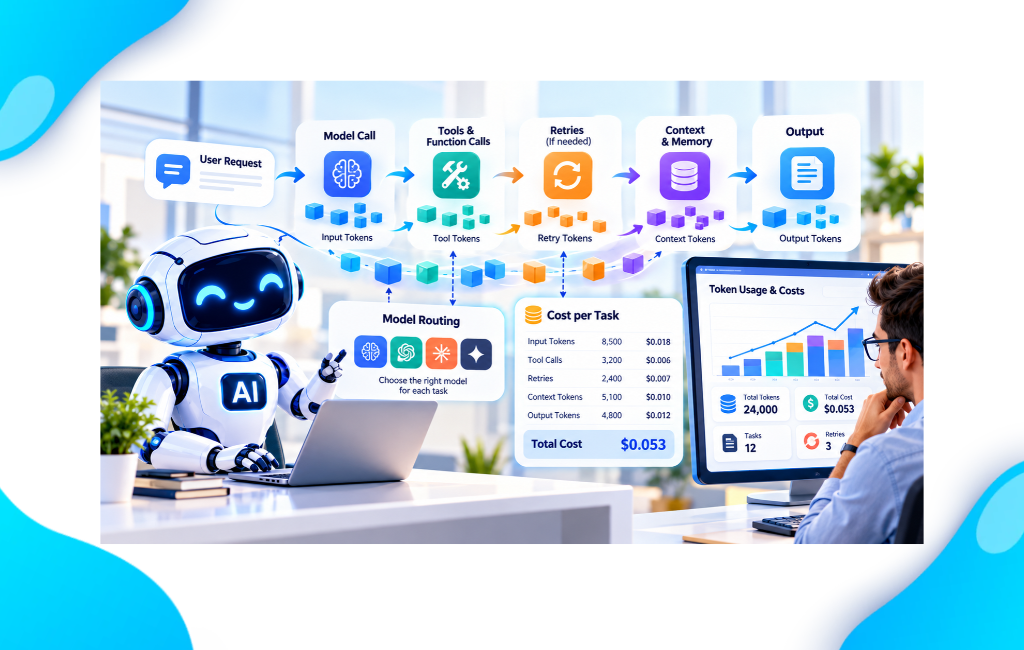
AI costs can vary with request volume, model choice, context size, output length, tool usage, and the number of steps an agent takes.
A workflow that is inexpensive during a small pilot may cost more when it runs continuously or serves thousands of requests.
Multi-agent systems can also generate indirect costs through repeated model calls, orchestration, data retrieval, and external services.
AI FinOps helps teams make these costs visible before they become difficult to manage.
Five Practical AI FinOps Strategies
- Establish Cost Visibility: Track usage by model, application, team, agent, and business workflow. Where possible, connect technical consumption to the business activity it supports.
- Set Budgets and Usage Limits: Create appropriate budgets and alerts. Apply limits to agent loops, retries, output size, and tool calls where necessary.
- Use Model Routing: Choose a model based on the task’s quality, latency, and cost requirements rather than sending every request to the same model.
- Reduce Unnecessary Processing: Improve prompts, reduce irrelevant context, cache eligible requests, and avoid repeated retrieval or model calls when the result can be safely reused.
- Measure Business Value: Compare the cost of an AI workflow with its outcomes, such as successful task completion, reduced processing time, fewer errors, or lower manual effort.
Cost reductions should be evaluated alongside quality. An inexpensive system that frequently fails may cost more overall once human intervention and rework are included.
How Should Organizations Start?
Begin by selecting one AI workflow and establishing a baseline for spending, output quality, completion rates, and processing time.
Next, identify the largest sources of avoidable usage. Test changes one at a time, measure their impact, and ensure that quality remains acceptable.
Once the approach is validated, extend cost tracking and optimization to other workloads.
AI FinOps and the Future of AI Operations
AI cost management connects finance, engineering, data, and business operations. It encourages teams to treat AI usage as a measurable business resource rather than an unlimited technical experiment.
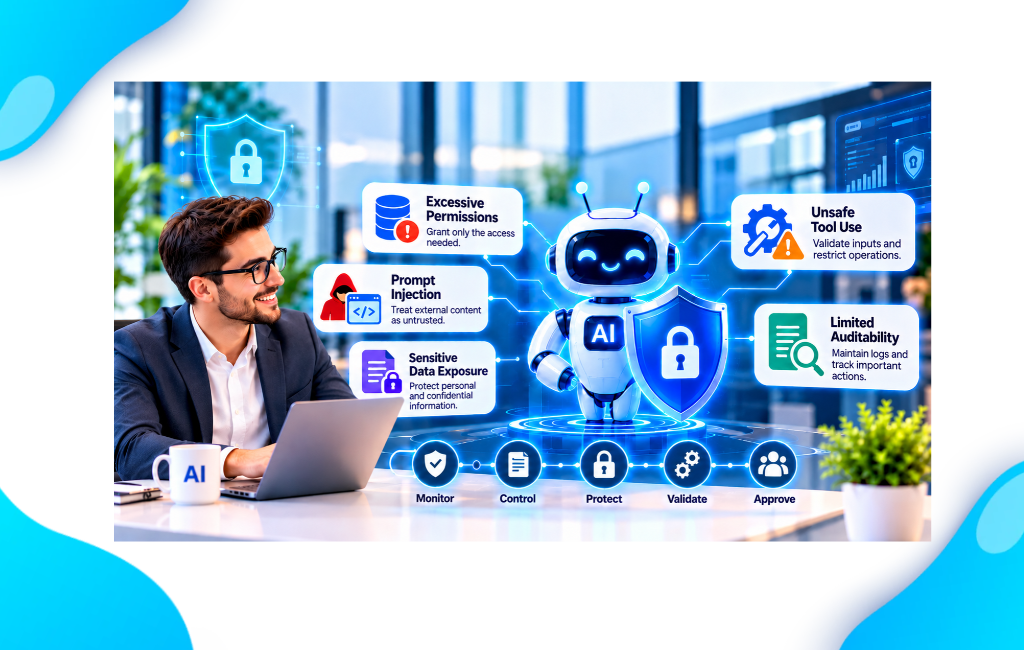
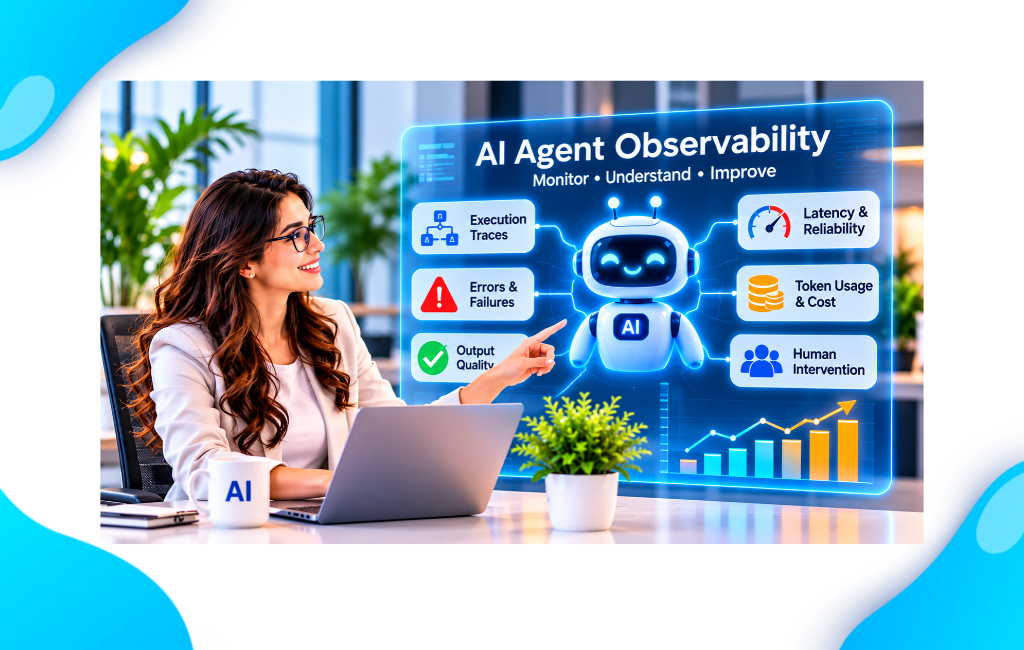
As agentic systems become more complex, cost visibility will need to work alongside security, observability, evaluation, and governance
Related reading: Token Economics: Why AI Agent Costs Can Grow Unexpectedly
Related Blogs


 +1 813 467 8539
 sales@dasinfomedia.com
