 sales@dasinfomedia.com


Artificial Intelligence is changing how software is planned, developed, tested, deployed, and maintained.
Traditionally, software development required engineers to handle each stage of the Software Development Life Cycle (SDLC) through structured manual processes. Today, AI-powered tools and coding agents can assist with requirement analysis, code generation, debugging, testing, documentation, and deployment.
The transformation goes beyond writing code faster. AI is changing how engineering teams build, manage, and improve software.
What Is an AI-Powered SDLC?
An AI-powered Software Development Life Cycle integrates artificial intelligence into different stages of software engineering.
AI can help teams:
- Convert business requirements into technical specifications.
- Suggest application architecture and database structures.
- Generate and improve code.
- Identify bugs and potential security issues.
- Create test cases and technical documentation.
- Analyze application performance.
- Support maintenance and troubleshooting.
This allows developers to reduce repetitive work and focus more on architecture, problem-solving, and software quality.
How AI Is Changing Each Stage of Software Development
- Requirements Analysis: AI can analyze business requirements, summarize discussions, identify missing information, and convert ideas into structured user stories and technical specifications.
- Architecture and Design: AI assists with technology selection, database design, API planning, system architecture, and integration recommendations.
- Coding and Development: AI coding assistants and agents can generate code, build components, explain existing applications, refactor code, and help developers troubleshoot errors.
- Testing and Quality Assurance: AI can generate test cases, identify potential bugs, analyze test failures, and support automated regression testing.
- Code Review and Security: AI-powered tools can review code changes, detect suspicious patterns, identify potential vulnerabilities, and recommend improvements.
- Deployment and Maintenance: AI can assist with deployment troubleshooting, release documentation, application monitoring, log analysis, and ongoing performance optimization.
The Rise of AI Coding Agents
One of the biggest developments in software engineering is the emergence of AI coding agents.
Unlike traditional coding assistants that primarily respond to developer prompts, AI coding agents can perform multiple connected tasks using approved tools and instructions.
For example, different agents can support:
- Requirements analysis.
- Architecture planning.
- Code generation.
- Software testing.
- Code review.
- Technical documentation.
Multiple agents can collaborate through orchestration workflows, with developers reviewing important decisions and results.
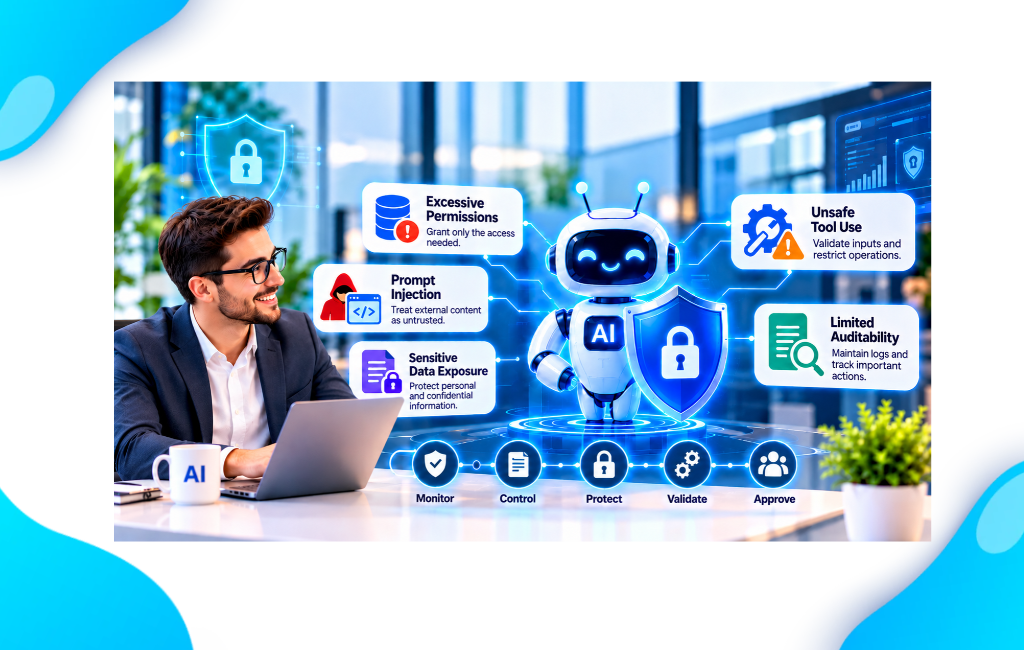
However, agent-based development also introduces challenges involving accuracy, security, permissions, coordination, and cost management
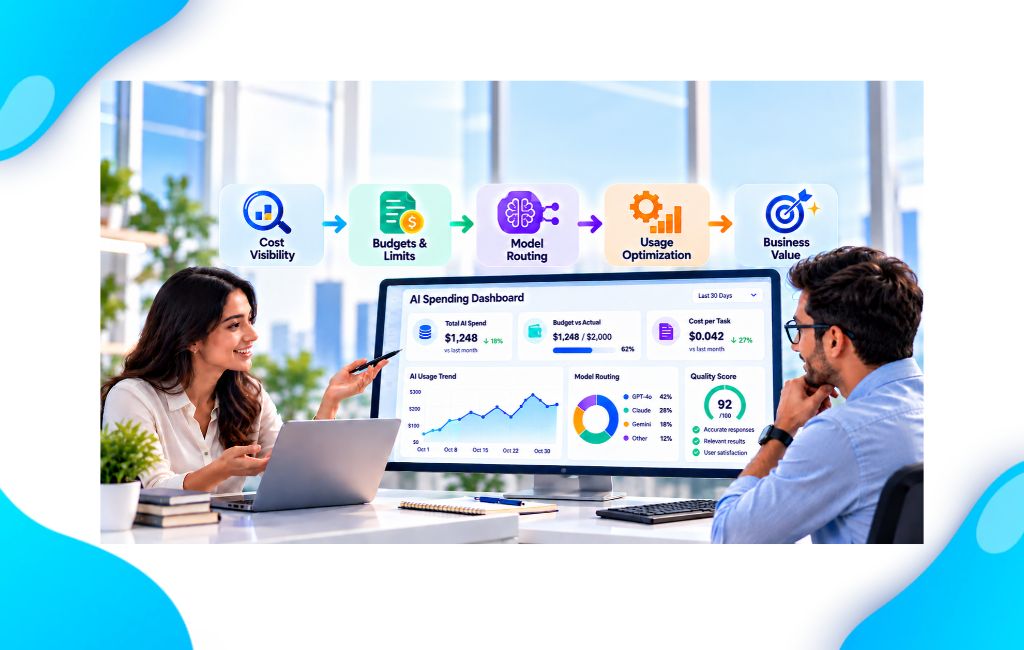
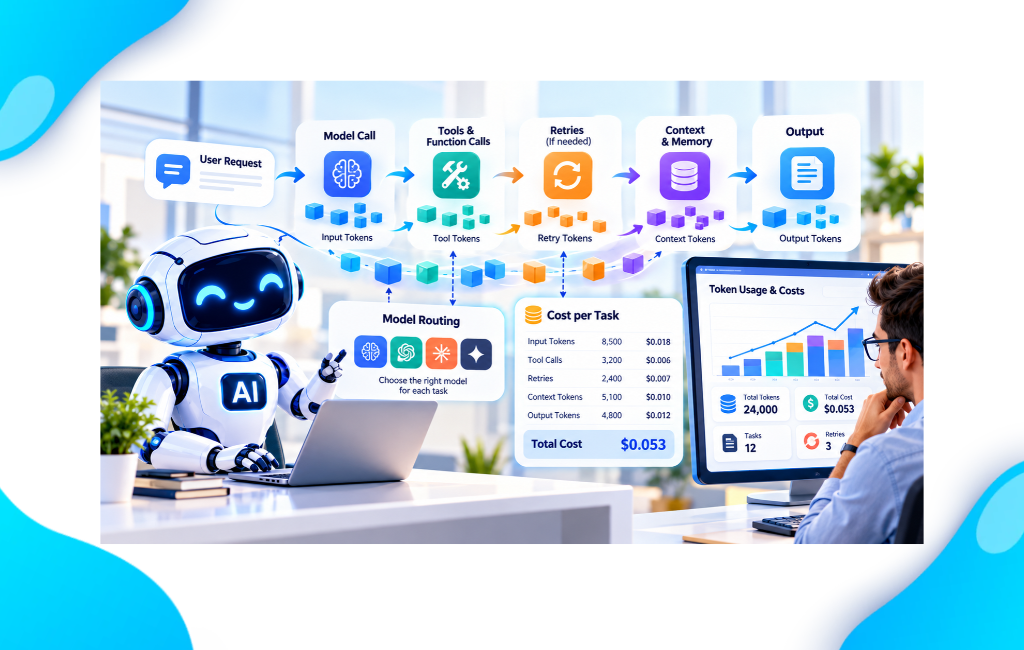
Token Economics: Managing the Cost of AI Development
AI-powered development introduces a new cost consideration: token consumption.
AI models process information using tokens, and complex coding workflows may involve repeated model requests, large code contexts, and multiple agent interactions.
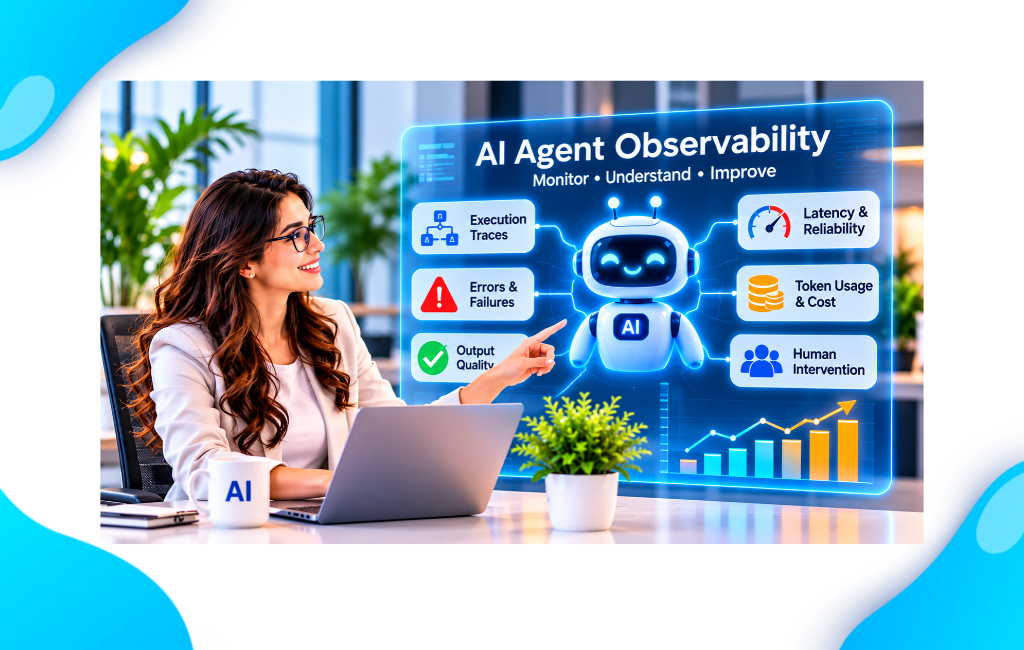
Businesses should monitor:
- Token consumption by model and project.
- Cost per completed development task.
- Repeated model calls and unnecessary retries.
- Model selection and routing.
- Context management and caching opportunities.
The objective is to balance AI development costs with productivity, code quality, and successful outcomes.
How AI Is Changing the Role of Developers
AI is changing the way developers work, but engineering expertise remains essential.
Developers increasingly need to focus on:
- System architecture and technical decisions.
- AI-assisted coding and agent orchestration.
- Code validation and debugging.
- Security and quality assurance.
- API and system integration.
- Performance and cost optimization.
AI can accelerate implementation, but humans remain responsible for ensuring that software meets business requirements and production standards.
What Should Businesses Consider Before Adopting AI Development?
Before introducing AI into software engineering, organizations should consider:
- Which development tasks can benefit from AI?
- How will AI-generated code be reviewed and tested?
- What data and systems can AI tools access?
- How will security and quality be maintained?
- How will token usage and AI costs be monitored?
- Who will approve important changes?
A structured approach helps businesses adopt AI while maintaining reliability, security, and control.
The Future of Software Development
The Software Development Life Cycle is evolving from a primarily developer-driven process into a more collaborative model involving engineers, AI assistants, and specialized AI agents.
AI will continue to support requirements analysis, coding, testing, deployment, and maintenance. However, successful software development will still depend on sound architecture, engineering judgment, security, and human oversight.
Related Blogs

 +1 813 467 8539
 sales@dasinfomedia.com
